How Bloom teaches women to recognize tension in the body and release it before it turns into exhaustion
Sarah sits at her desk, shoulders hunched forward, jaw clenched tight. She's been answering emails for three hours straight, completely unaware that her body has been sending distress signals the entire time. Her neck aches, her breathing has become shallow, and a familiar knot has formed between her shoulder blades. This scene plays out millions of times each day for women around the world, caught in what experts call the stress cycle.
The stress cycle begins when our nervous system detects a threat, whether real or perceived. Our bodies flood with stress hormones like cortisol and adrenaline, preparing us for action. Muscles tense, heart rate increases, and breathing quickens. This response served our ancestors well when facing physical dangers, but modern stressors rarely require us to run or fight. Instead, we sit with that activated energy, allowing it to build up in our bodies like pressure in a closed system.
Women face unique challenges when it comes to managing stress. Society often expects them to be caregivers, professionals, partners, and community members simultaneously. This constant juggling act creates layers of tension that accumulate throughout the day. Many women become so accustomed to carrying this load that they stop noticing when their bodies are crying out for relief.
The progression from manageable stress to complete exhaustion doesn't happen overnight. It follows a predictable pattern that Bloom has identified through years of working with overwhelmed women. First comes the initial tension response to a stressful situation. If this tension isn't released, it settles into the body's tissues, particularly in areas like the neck, shoulders, and lower back. Over time, this chronic muscle tension creates a feedback loop, sending signals to the brain that danger is still present, which maintains the stress response.
As weeks and months pass without proper release, the body begins to adapt to this heightened state. What once felt like obvious tension becomes the new normal. Women report feeling "wired but tired," unable to relax even when they have the opportunity. Sleep becomes elusive, digestive issues emerge, and simple tasks feel overwhelming. This is the body's way of saying the stress cycle has been running too long without completion.
Bloom's approach centers on helping women develop body awareness before reaching this point of exhaustion. The program teaches specific techniques for recognizing the early warning signs of accumulated tension. Women learn to scan their bodies throughout the day, noticing when their shoulders have crept up toward their ears or when their breathing has become restricted.
One of Bloom's core practices involves what they call "tension mapping." Women spend a few minutes each morning identifying where stress typically shows up in their bodies. For some, it's a tight jaw from grinding teeth during sleep. For others, it's lower back pain from sitting at a computer or digestive discomfort from rushed eating. This personalized awareness becomes the foundation for intervention before tension escalates.
The program also teaches the concept of "micro-releases" throughout the day. These are brief moments where women consciously release accumulated tension rather than waiting until evening or the weekend. A micro-release might involve taking three deep breaths while softening the shoulders, gently rolling the neck, or consciously relaxing the muscles around the eyes and forehead. These small actions interrupt the stress cycle before it gains momentum.
Physical movement plays a crucial role in Bloom's methodology. The program doesn't require intense workouts or complicated routines. Instead, it focuses on movements that help complete the stress cycle naturally. This might include gentle stretching, walking, or even vigorous activities like dancing or cleaning when done with intention. The key is moving the energy that has built up in the body rather than letting it stagnate.
Breathing techniques form another cornerstone of the Bloom approach. Most women under chronic stress develop shallow breathing patterns that maintain tension rather than releasing it. The program teaches specific breathing exercises that activate the body's relaxation response. These techniques can be done anywhere, from the car during a commute to a bathroom break at work.
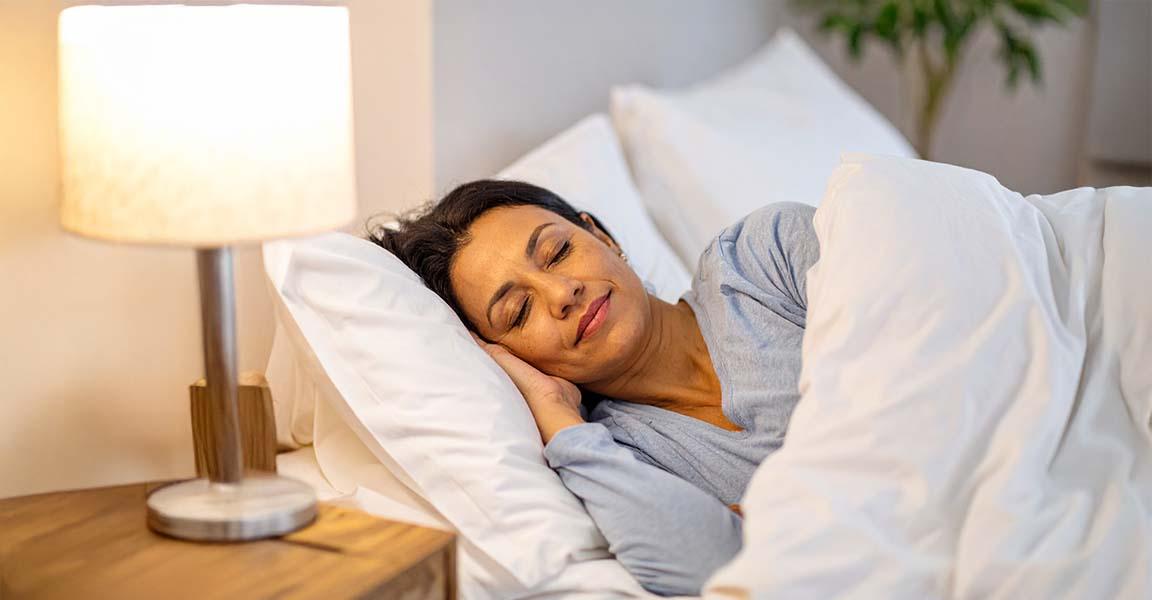
Sleep quality improves dramatically when women learn to complete stress cycles before bedtime. Bloom teaches an evening routine that helps transition the nervous system from the day's activation to nighttime recovery. This might include gentle stretching, progressive muscle relaxation, or journaling to process the day's events. The goal is to arrive at sleep with a body that's ready to rest rather than one that's still processing unresolved tension.
The social aspect of stress cannot be ignored. Women often carry emotional burdens from family members, friends, and colleagues. Bloom addresses this through boundary-setting techniques and communication strategies that prevent women from absorbing others' stress as their own. Learning to say no without guilt becomes an essential skill for maintaining nervous system health.
Nutrition and hydration also play supporting roles in stress cycle management. The program provides guidance on foods and drinks that support the nervous system during stressful periods and those that might exacerbate tension. Simple changes, like reducing caffeine during high-stress periods or ensuring adequate protein intake, can make a significant difference in how the body handles daily pressures.
The transformation women experience through breaking their stress cycles extends far beyond physical comfort. They report increased mental clarity, improved relationships, and a greater sense of control over their daily experiences. Most importantly, they learn to trust their bodies' signals and respond proactively rather than waiting for crisis points.
Breaking the stress cycle isn't about eliminating stress entirely. Life will always present challenges and pressures. The goal is developing the skills to move through stress in a healthy way, completing the cycle rather than getting stuck in chronic activation. When women master these techniques, they find themselves more capable of handling whatever life brings their way, with energy reserves intact and a deep sense of inner calm that no external circumstance can shake.

Leave a comment
Your email address will not be published. Required fields are marked *